
In the past, my biggest mistake when choosing home broadband was focusing solely on the price.
Get More from Your Tech — Gazelle.com
Get more from your tech at Gazelle.com.
Instant quotes, free shipping, and great deals on certified pre-owned devices.
Trade. Save. Repeat.
Keywords like “high-speed,” “special offer,” and “low monthly fee” made me feel like I’d found a bargain. However, after using the service long-term, I realized that broadband service isn’t just about comparing monthly costs.
Some plans look cheap initially but come with various hidden fees on later bills; others are heavily marketed, yet customers often don’t fully understand what they’re actually buying; and some users, unfamiliar with the official sign-up process, pick a plan at random only to find the speed doesn’t meet their household’s needs.
Through my research and experience with Astound Broadband, I’ve realized that the most important factors when choosing broadband today aren’t just speed—they are the clarity of the sign-up process, the transparency of costs, and whether the service truly aligns with your needs.
Below, I’ll share my experience and highlight common pitfalls US users overlook when signing up for broadband, as well as how Astound made the process of selecting and activating my internet service much simpler.
I Discovered More Hidden Fees Than Expected Before Signing Up
I used to think getting broadband was as simple as picking a speed tier and waiting for installation.
But in reality, it’s far more complex. Many users focus only on the monthly fee displayed on the homepage when choosing an internet service, overlooking the detailed cost breakdown.
For instance, some broadband services involve equipment fees, installation charges, costs for extra features, or fees for changing plans. Without understanding these details upfront, seeing the actual bill for the first time often leads to questions like, “Why is this so much higher than the advertised price?”
This was exactly what I focused on when researching broadband plans.
A good internet service should make it clear to users before they sign up: exactly how much they’ll pay each month, what services are included, which features are optional add-ons, and how easy it is to make changes later.
After all, broadband is a long-term service; failing to understand the terms at the start can impact you for years to come.
Common Pitfalls When Choosing US Broadband: What Beginners Need to Know
While comparing different broadband plans, I noticed that many users run into trouble not because they don’t know how to use the internet, but because they overlook certain details during the selection phase. The first common mistake is focusing solely on short-term promotions. Many users are easily swayed by low initial prices, assuming that a cheap start equates to the best deal. However, since broadband is typically a long-term service, the real priority should be the long-term cost rather than the price during the first few months.
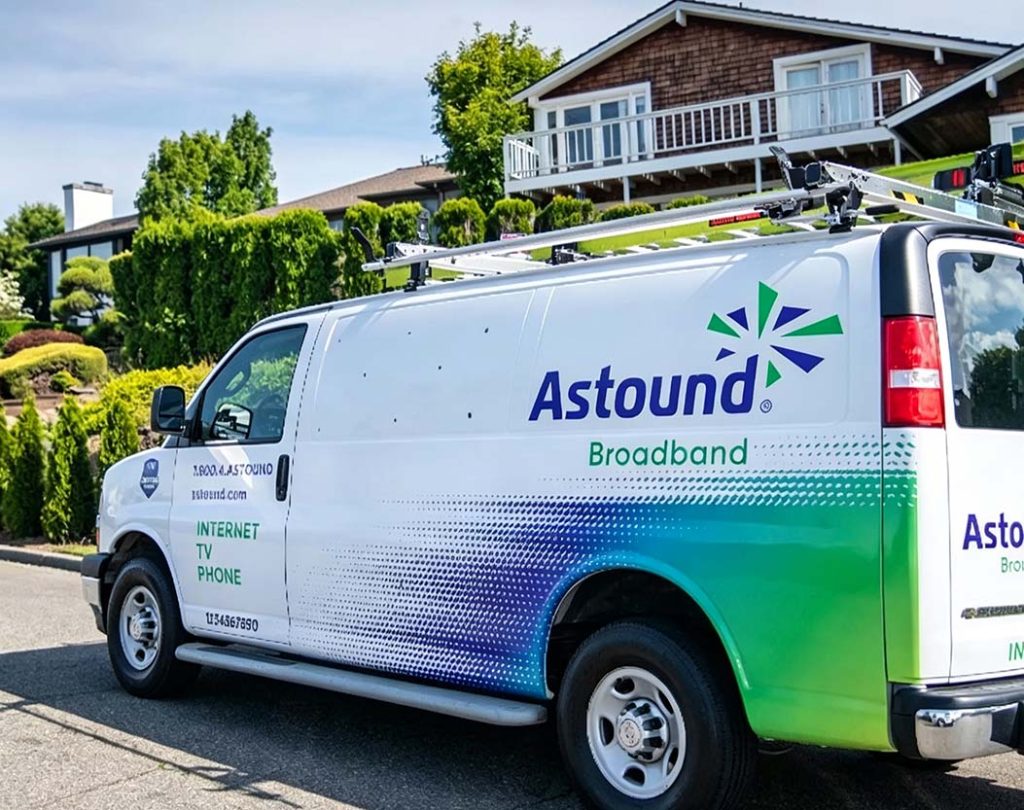
The second issue is failing to choose a plan based on actual needs. Some households with only two or three people—whose primary needs are video streaming and routine office work—might opt for high-speed plans that far exceed their requirements. Conversely, households with multiple users simultaneously gaming, working, and streaming media might choose a basic plan, resulting in a poor user experience.
In my view, the most important aspect of choosing a broadband plan is aligning it with your lifestyle, rather than blindly chasing the highest specifications.
The third issue is overlooking service bundles. Nowadays, many households require more than just internet access; they also need features like TV entertainment, cybersecurity protection, or home phone services.
Without proper planning, adding these services later can complicate account management.
What I appreciate about Astound: easy-to-understand plan details
One aspect of my experience with Astound that I particularly liked was the simplified selection process.
Rather than wading through a maze of complex service options, I prefer clear information: who the plan is for, what kind of internet experience it offers, and what the costs are. Astound’s plan design prioritizes user choice.
If a household primarily needs high-speed internet, they can select a suitable broadband plan; if they want to enhance their entertainment experience, they can bundle TV services; if home network security is a priority, they can opt for relevant security features. This approach feels much more in tune with modern consumer habits.
Many people don’t want to pay for a host of features they’ll never use; instead, they prefer the flexibility to mix and match services based on their specific lifestyle needs.
My step-by-step experience signing up via the Astound website
When I first encountered Astound, I was concerned that the online sign-up process might be complicated.
However, I found the process to be straightforward.
The first step was visiting the official Astound website and entering my address to confirm service availability in my area.
This step is crucial because internet plans can vary by region. Checking coverage beforehand prevents you from selecting a plan that cannot be installed at your location.
Once coverage was confirmed, I could view the available plans. I didn’t simply choose the fastest option; instead, I made my decision based on my household’s actual needs.
For routine web browsing, video streaming, and standard office work, a mid-range speed plan is usually sufficient. If you have a large household where people frequently stream HD video, game, or work remotely simultaneously, you might want to consider a higher-tier plan.
Once you’ve selected your plan, simply follow the on-screen prompts to submit your details. The process is straightforward and can be completed entirely on your own, without needing to deal with third-party salespeople.
After installation, just follow the equipment instructions to connect and activate the service, and you’re ready to go.
When choosing an Astound plan, I recommend considering your usage habits first
A common mistake people make when signing up for broadband is looking at the speed before considering their actual needs.
I believe the order should be reversed. Start by considering how many people in your household will be using the internet; the network requirements for a single person living in an apartment differ vastly from those of a family of five.
Next, consider your primary use cases. If you mostly browse the web or watch standard-definition video, you don’t necessarily need top-tier speeds. However, if you frequently participate in HD video conferences, download large games, create content, or work remotely, you’ll need a more stable and robust connection.
Finally, consider whether you need add-on services like TV entertainment, security features, or home phone lines. While not every household needs these, they can significantly enhance the experience for those who do.
One of the great things about Astound is that you can tailor your plan to your specific needs rather than being forced to buy a bundle of services you don’t actually want.
What happens if you run into issues? My experience with customer support
When signing up for broadband, many users worry about post-sales support as well as price. Unlike a standard consumer product, internet service is essential; if something goes wrong, it directly impacts your work and daily life.
I believe a good broadband provider shouldn’t just stop at installation—they should offer ongoing support.
If you encounter issues with equipment connectivity, plan adjustments, or network performance, you need a quick and easy way to find a solution.
Astound offers customer support to help with these kinds of questions—a crucial feature for new users. Many people setting up home internet for the first time aren’t familiar with equipment setup or plan management, so having clear channels for assistance can save a lot of hassle.
Why do I think transparent pricing matters more than short-term low rates?
After this experience, my perspective has shifted: I no longer simply chase the lowest price. In the past, my first thought upon seeing a cheap plan was, “I’m saving money.”
But after using the service long-term, I realized that true savings come from knowing all costs upfront, choosing a plan that actually fits your needs, avoiding unnecessary add-ons, and not having to constantly switch providers due to fluctuating prices. My impression of Astound is that it prioritizes the long-term user experience. Users can select services based on their specific needs, review plan details, and manage their internet costs effectively.
For residential users, this straightforward and clear approach actually saves a lot of potential hassle down the line.
Choosing a broadband provider isn’t just about speed; it’s about choosing a service that offers peace of mind
Looking back, I believe the most important factor when signing up for broadband isn’t finding the plan that looks the cheapest on paper, but finding a service that is pleasant to use in the long run.
What really stands out to me about Astound is how it simplifies the process of choosing a broadband plan.
Users can easily check service availability in their area, view plan details, and select and sign up for a service tailored to their household’s needs—all through Astound’s official channels.
For those setting up broadband for the first time, or for anyone tired of complicated pricing schemes, a transparent, flexible, and easy-to-manage internet service is a far better choice than a short-term low-price offer.