When I first seriously committed to managing my diet for fat loss, I fell into a common trap: I wanted everything to be healthy from the start, but I either couldn’t stick with it or found the process miserable.
Get More from Your Tech — Gazelle.com
Get more from your tech at Gazelle.com.
Instant quotes, free shipping, and great deals on certified pre-owned devices.
Trade. Save. Repeat.
Things only stabilized once I simplified my diet—specifically by making tofu, a high-protein and “low-burden” ingredient, a staple of my daily menu.
Throughout this dietary adjustment, the brand I encountered most often was Pulmuone. To be honest, I didn’t have a strong preference for tofu brands at first, but after eating them consistently for a while, I began to notice distinct differences—variations in texture, structure, and suitability for different cooking methods were actually quite significant.
Eventually, I settled on three types of tofu to keep in my fridge: Pulmuone Silken Tofu, Pulmuone Firm Tofu, and a Chinese-style dried tofu (similar to Shiping dried tofu). This trio covers most of my needs for the week, whether for fat loss, soups, or cold dishes.
It’s not a question of whether to eat tofu, but how to choose the right type for the occasion
At first, I thought tofu was just a simple “meat substitute,” but after eating it regularly, I realized that the texture of each type dictates the best way to cook it.
For instance, silken tofu falls apart easily if you try to pan-fry or stir-fry it, whereas firm tofu can feel too “dry” if served cold in a salad. So, I adopted a simple classification system:Silken tofu is for “light meals and soups,” firm tofu provides “structure and satiety,” and dried tofu offers “chewiness and absorbs flavors well.”
Within this framework, Pulmuone tofu has become my most reliable choice.
Pulmuone Silken Tofu: The reliable “low-burden” staple for fat loss
The first time I seriously used Pulmuone Silken Tofu was while preparing a classic fat-loss dinner.
I didn’t want anything complicated that day, but I still wanted some protein and a sense of fullness, so I used the Pulmuone Silken Tofu to make a simple tofu soup. When opening the package, the first thing I noticed was the incredibly fine texture; it wasn’t the type that crumbles at the slightest touch, but rather held its shape well while remaining soft.
I simply placed it directly into a pot with some kombu and mushrooms for a quick boil, without adding much seasoning.
The mouthfeel was distinct: the silken tofu practically melted in my mouth, yet it didn’t feel insubstantial—it retained a slight structure. This is a crucial point, as the biggest fear during a fat-loss phase is finishing a meal and feeling like you haven’t eaten anything at all.
The advantage of Pulmuone silken tofu is that, despite being low-calorie, it provides a satisfying sense of fullness without any greasy heaviness. I eventually settled on two main ways to use it: in soups for dinner, or as a light, carb-free option for breakfast.
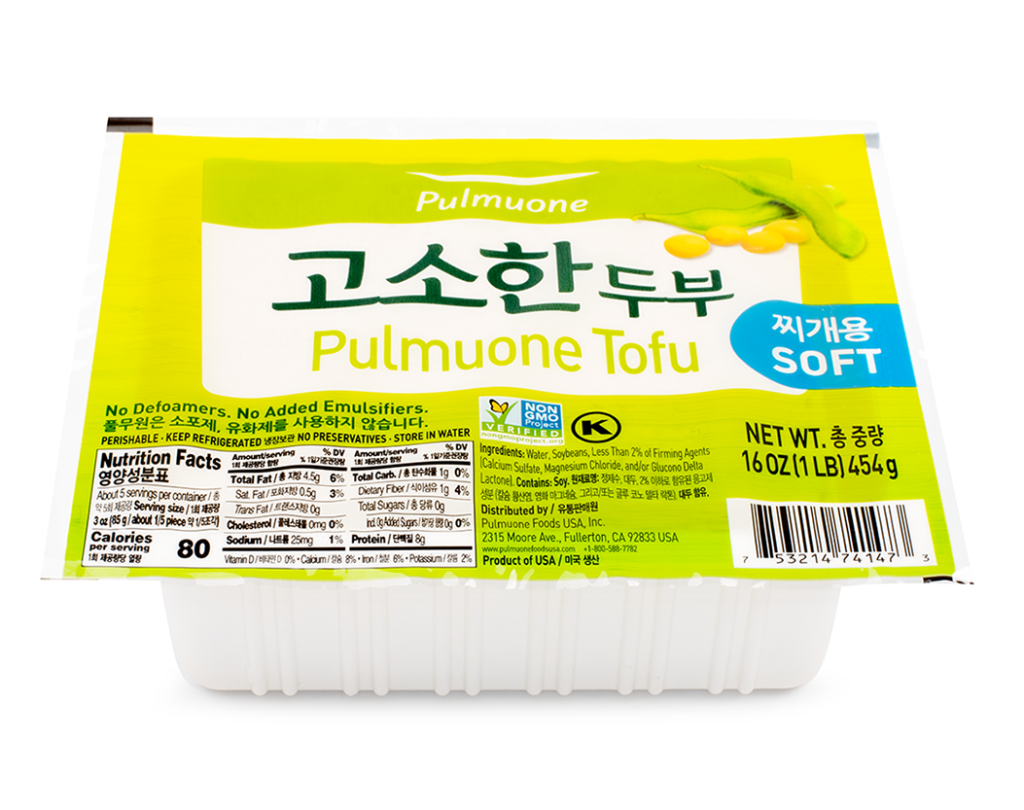
Pulmuone Firm Tofu: Better for the fat-loss phase when you crave a “chewy” texture
If silken tofu represents “lightness,” then Pulmuone firm tofu represents “stability.”
The first time I used it, I pan-fried it.
While slicing it, I could clearly feel its denser structure; it didn’t crumble easily. This is vital for cooking, as many types of tofu fall apart during frying, whereas Pulmuone firm tofu holds its shape remarkably well.
I used a very simple method: slow-frying with a little oil until the surface turned golden-brown, then adding a touch of soy sauce and black pepper.
The mouthfeel was noticeably different; instead of the softness of silken tofu, it offered a satisfying “bite.” This chewiness is actually important during fat-loss periods because it psychologically provides the satisfaction of having eaten a “real meal.”
I also tried using Pulmuone firm tofu in stews—simmering it with vegetables, for instance. It didn’t break apart easily but maintained its structural integrity, making it a reliable choice for a high-satiety diet.
How to use firm tofu strips/pressed tofu: Satisfying bold flavor cravings without derailing your progress
In addition to silken and firm tofu, I also incorporate products like firm tofu strips (similar to the style of Shiping tofu strips) into my diet. The biggest difference between this and the first two types of tofu is that it doesn’t serve as a “staple food substitute,” but rather acts as a “flavor carrier.”
Sometimes, the hardest part of a fat-loss phase isn’t dealing with hunger, but the craving for bold, savory flavors.
In those moments, I cut the firm tofu into small pieces for a cold salad or a quick stir-fry, adding a splash of vinegar, chili, and soy sauce; it absorbs the seasonings beautifully while maintaining a satisfying, chewy texture.
If Pulmuone silken tofu represents “lightness” and firm tofu represents “stability,” then this firm tofu serves as a “flavorful, stimulating addition.”
My daily routine: It’s not just about eating tofu in isolation, but creating a balanced dietary structure
Over time, I settled on a simple dietary framework:
I use Pulmuone silken tofu in light meals or soups for breakfast and dinner to keep my body feeling light and unburdened;
I use Pulmuone firm tofu as the main protein source for lunch or dinner to ensure satiety;
And I use the firm tofu as a flavor enhancer to satisfy those occasional cravings for bold tastes.
This combination effectively covers most of my daily dietary needs.
Why did I eventually stick with Pulmuone?
At first, I didn’t intentionally choose a specific brand; I simply viewed tofu as a staple ingredient for my fat-loss diet. However, after using it repeatedly, I formed a clear conclusion: when it comes to tofu, what truly impacts the long-term experience isn’t just the taste, but the consistency.
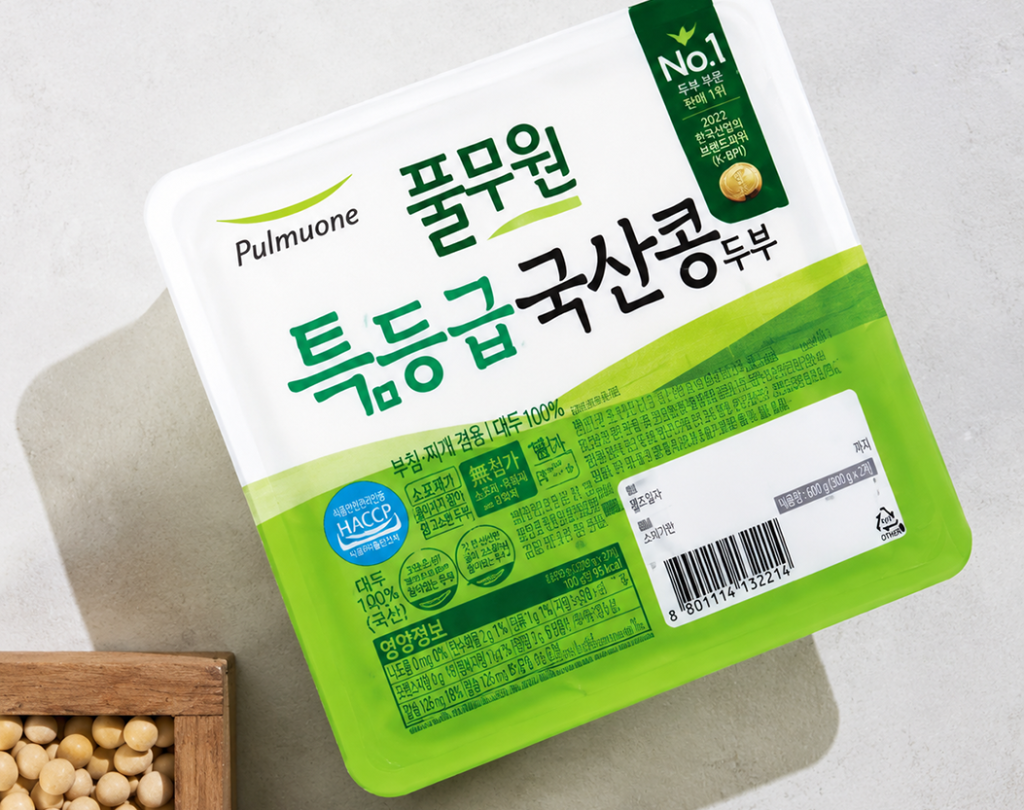
Tofu is an ingredient that is easily overlooked yet highly sensitive to handling—sometimes it’s too watery and falls apart, sometimes it crumbles and ruins the frying process, and sometimes batch-to-batch variations in texture completely alter the final dish. These issues might not matter for a one-off meal, but in a long-term dietary regimen, they constantly add to the cost of trial and error.
What struck me most about Pulmuone is how effectively it minimizes these “uncontrollable fluctuations.”
Its stability is evident first in its structural integrity: whether it is soft tofu or firm tofu, it resists crumbling during cooking and maintains a distinct shape. Secondly, the textural profiles are clearly defined—soft tofu is delicate and light on the palate, while firm tofu is substantial and offers a satisfying chew. The distinction between the two is sharp, eliminating the inconsistency where different batches of the same tofu yield vastly different experiences. Finally, it is highly versatile, naturally suiting a wide range of preparations—from light, fat-reducing meals and soups to stir-fries and cold salads—without the need for trial and error to figure out “what it’s best for.”
When you put these factors together, the real value isn’t just “better taste,” but something far more critical: predictability.
In long-term dietary management, predictability matters more than short-term surprises; it directly determines your ability to stick to a plan, rather than just how satisfied you are with a single meal.
Tofu is, at its core, a matter of lifestyle structure
To me, tofu isn’t merely an ingredient choice; it represents a decision about the structure of one’s lifestyle.
When you incorporate a reliable product like Pulmuone into your meal planning, you aren’t just simplifying the question of “what to eat”—you are eliminating the daily mental burden of indecision and trial and error.
This shift benefits both your fat-loss goals and the rhythm of your daily life. For me, the most significant impact of Pulmuone isn’t simply that I “eat healthier,” but that it makes “sticking to a healthy lifestyle” much easier.